July 9, 2026
A well-planned yard does more than fill outdoor space. It can make a property feel calmer, easier to use, and more connected to the home. When outdoor areas develop without a clear plan, they can become cluttered, uneven, or difficult to maintain. Thoughtful landscape design helps shape those spaces with purpose so every feature supports comfort, beauty, and function.
For many homeowners, the outside of the property is an extension of daily life. It may include areas for relaxing, gathering, gardening, playing, or enjoying a quiet moment at the end of the day. Landscape design brings those goals together by organizing plants, walkways, seating areas, lawn spaces, lighting, and decorative details into one practical layout. Instead of treating landscaping as separate tasks, a design-focused approach considers how each element works with the rest of the property.
Good outdoor planning also helps homeowners make decisions with more confidence. It can clarify where shade is needed, which areas should stay open, where privacy matters most, and how movement should flow. With the right plan, outdoor spaces can become easier to enjoy while adding structure and character to the property.
Creating More Comfortable Outdoor Living Areas
Comfort is one of the most important benefits of landscape design because outdoor spaces should feel inviting, not random or inconvenient. A comfortable yard begins with understanding how people actually use the property. Some families may want an open lawn where children and pets can play. Others may prefer a quiet patio, a fire pit area, or a shaded seating space where they can unwind.
Landscape design helps match those needs with practical features. Trees, pergolas, shrubs, and carefully placed plantings can soften sunlight, block wind, and create more pleasant seating areas. Walkways can guide people safely through the yard, while lighting can make evening use more comfortable. Even small changes, such as improving the location of a bench or creating a clearer path to a garden, can make a space feel more usable.
Comfort also depends on balance. A yard with too much open space may feel exposed, while a yard with too many features can feel crowded. Landscape design helps create the right mix of openness, shade, privacy, and movement so the property feels natural and welcoming.
Creating More Beautiful Outdoor Features
Beauty is often the first thing people notice about a yard, but attractive landscaping is not just about adding flowers or decorative materials. It is about creating visual harmony. Landscape design considers color, shape, texture, height, and seasonal interest so outdoor spaces feel polished and intentional.
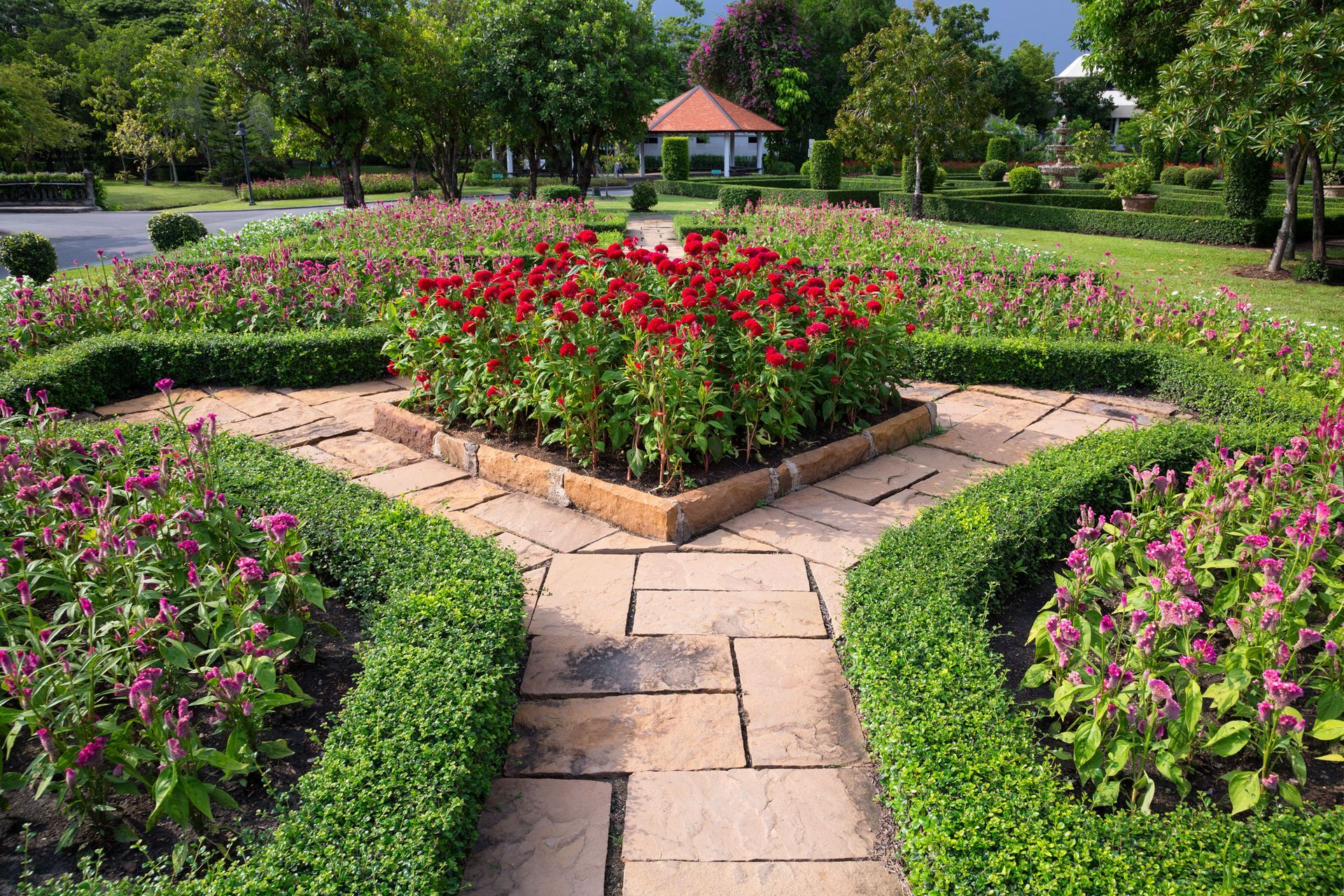
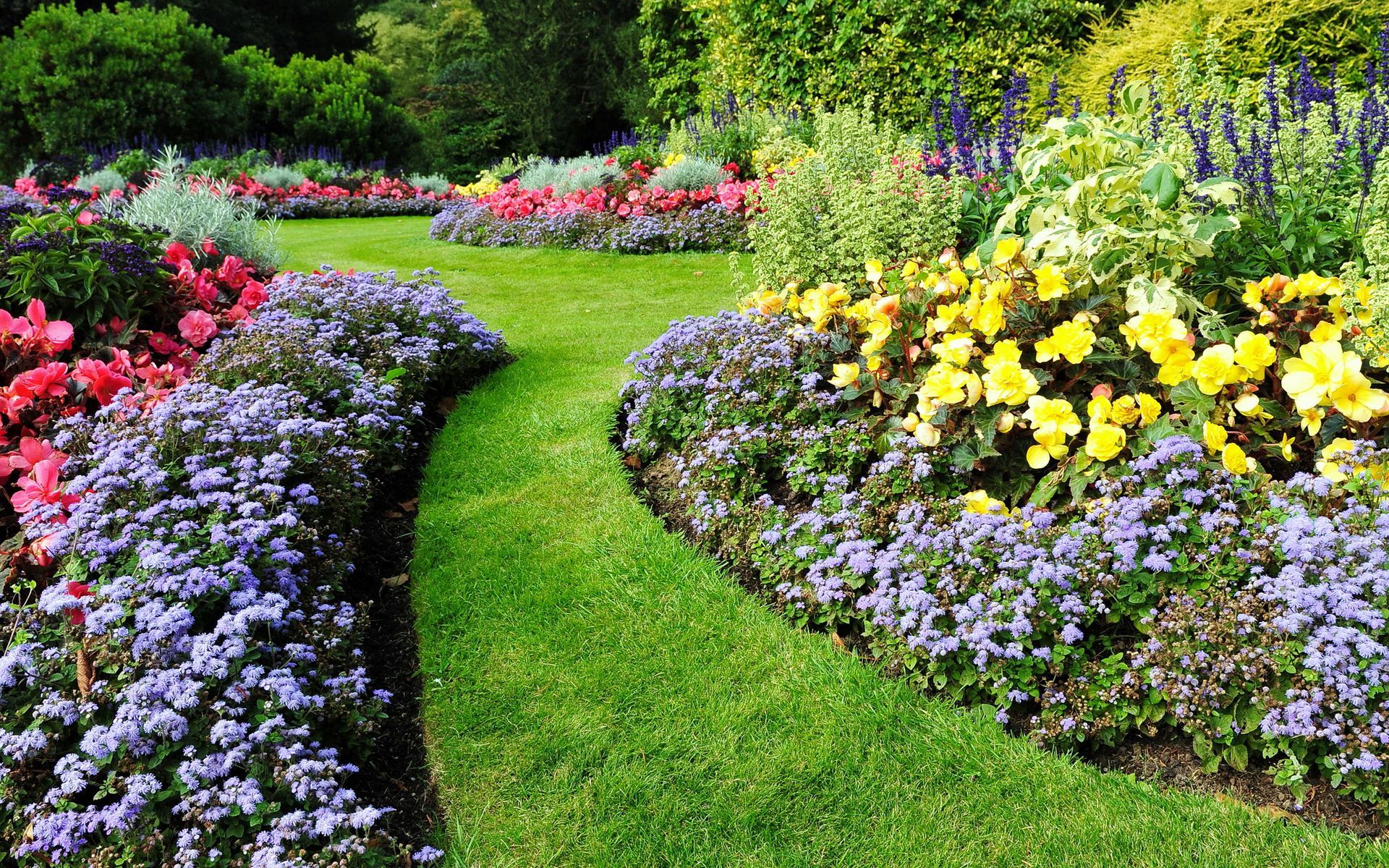
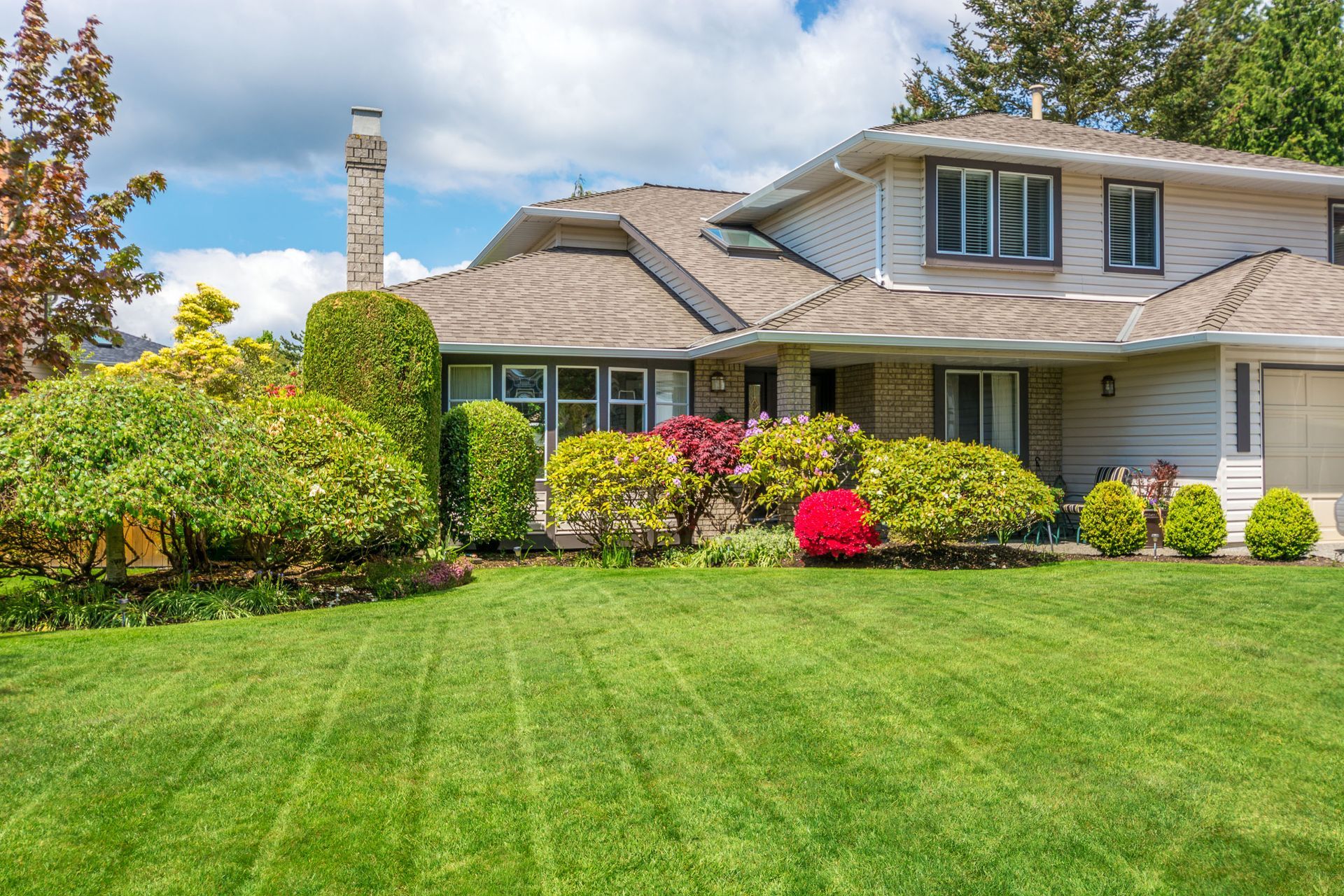
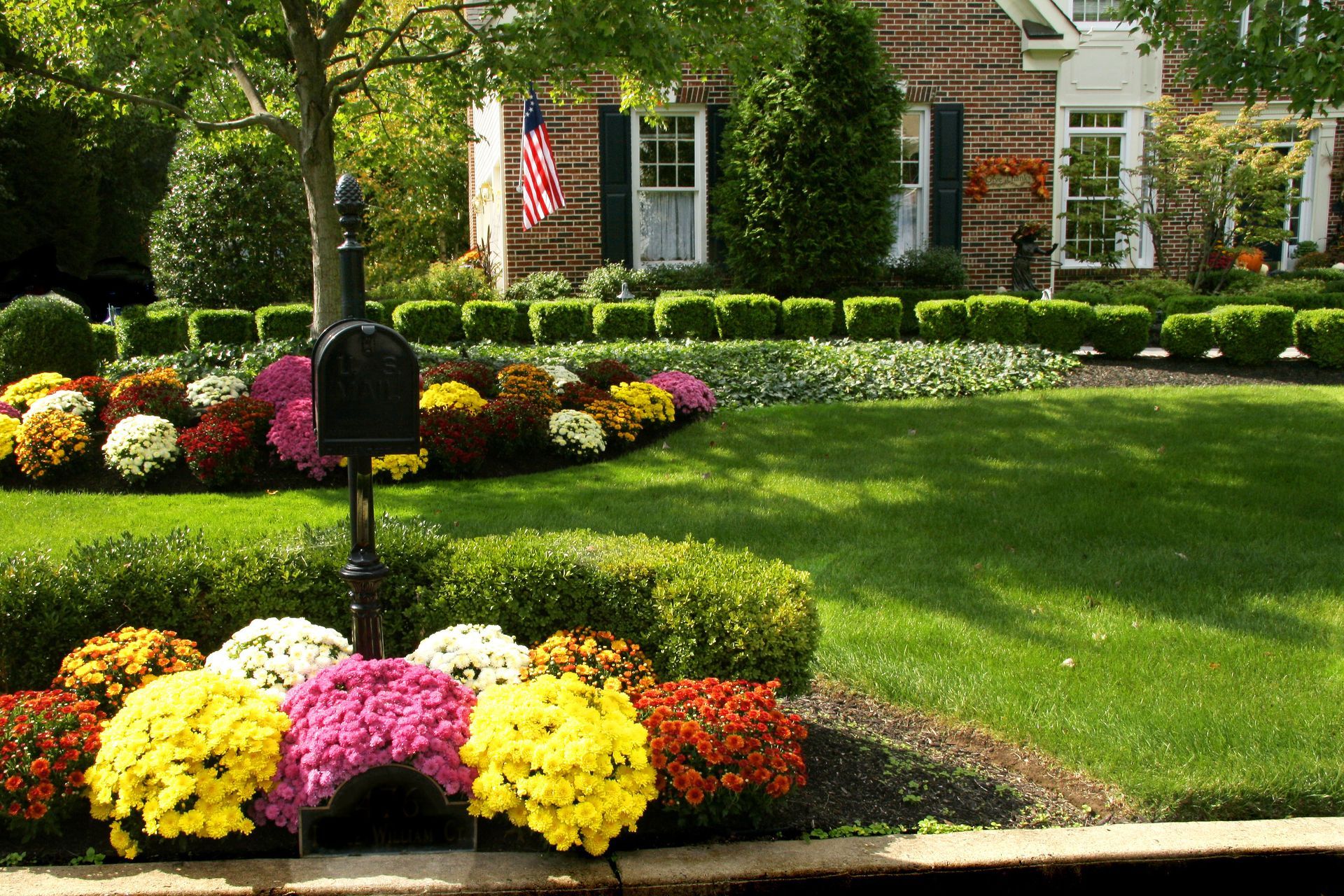
A well-designed landscape can highlight the home’s architecture rather than compete with it. For example, curved garden beds can soften strong building lines, while structured hedges can complement a formal exterior. Flowering plants can add color near entryways, and ornamental grasses can bring movement to open areas. When these choices are made with a clear plan, the result feels cohesive instead of pieced together.
Landscape design also helps prevent common visual problems. Without planning, plants may be placed too close together, hardscape features may feel disconnected, or decorative elements may compete for attention. A design-first approach creates a clear focal point, supports better proportions, and helps the yard look attractive from different viewing angles.
Creating Better Organization Across the Property
Organization is another major reason homeowners invest in landscape design. Outdoor spaces often need to serve multiple purposes, and without a plan, those purposes can overlap in frustrating ways. A yard may need space for dining, storage, gardening, lawn care access, play areas, and pathways. Landscape design helps define where each function belongs.
Clear organization makes a property easier to navigate. Walkways can connect driveways, patios, gardens, sheds, and entry points. Plant beds can create gentle borders between areas without making the yard feel closed off. Lawn spaces can be shaped so they are easier to mow and maintain. These choices help the property feel orderly while remaining inviting.
This kind of planning is especially helpful for properties with unusual shapes, slopes, or limited space. A narrow side yard may become a practical walkway with plantings. A sloped area may be turned into tiered beds or a more usable sitting area. Landscape design helps homeowners see possibilities that may not be obvious at first.
Creating Smarter Planting Plans
Plants play a major role in comfort, beauty, and organization, but they need to be selected carefully. Landscape design helps homeowners choose plants based on more than appearance. Sun exposure, soil conditions, water needs, mature size, and maintenance expectations all matter. When plants are chosen without these details in mind, they may struggle, outgrow their space, or require more upkeep than expected.
A smart planting plan can make the yard more attractive across the seasons. Spring blooms, summer color, fall texture, and evergreen structure can work together to keep the property from looking bare for long periods. Landscape design can also group plants with similar needs, which may make watering and care more manageable.
Plant placement can improve the overall feel of the yard. Taller shrubs can provide privacy near patios or property lines. Lower plants can frame walkways without blocking visibility. Trees can create shade where it is most useful. With the right layout, plants become part of a larger system rather than separate additions.
Creating More Practical Maintenance Routines
A beautiful yard should not become a constant burden. One of the strongest advantages of landscape design is that it can support easier maintenance over time. This does not mean a yard will require no care, but it can help reduce unnecessary work and prevent avoidable issues.
According to IBISWorld, there are 693,000 businesses in the landscaping services industry in the United States. That large number reflects how much property owners rely on professional outdoor services to keep spaces functional, attractive, and manageable. Landscape design can make that care more efficient by giving the property a clear structure from the beginning.
For example, properly sized plant beds can be easier to weed and mulch. Defined edges can help keep grass from spreading into garden areas. Thoughtful spacing can reduce overcrowding as plants mature. Drainage considerations can help prevent soggy areas or erosion. When maintenance is considered during the planning stage, homeowners may avoid costly changes later.
Creating Long-Term Value for Outdoor Spaces
Landscape design is not only about improving the yard today. It also supports long-term value by helping outdoor spaces grow and adapt in a controlled way. Plants mature, family needs change, and outdoor habits may shift over time. A strong design can account for those changes by creating a flexible foundation.
Long-term planning may include choosing durable hardscape materials, leaving room for future planting growth, or designing outdoor areas that can serve more than one purpose. A patio may function as a quiet seating area now and a gathering space later. A garden bed may begin with simple shrubs and later include more color or texture. Landscape design gives homeowners a framework that can evolve without feeling disorganized.
A comfortable, beautiful, and organized outdoor space does not happen by accident. It comes from understanding how the property is used, how it should feel, and how each feature should support the larger plan. With thoughtful landscape design, homeowners can create outdoor areas that are easier to enjoy, simpler to maintain, and more connected to everyday life. Call I & C Lawn and Landscape LLC today to schedule your lawn or landscaping design service.